
Vagrant Expedition on Antikythera Island, October 2026
1 Nov 2026 · Antikythera, Attica
Between 24 and 31 October 2026, our birding team, consisting of Thanasis Tsafonis, Giorgos Kouthouridis, Yiannis Banakakis, Aris Vouros and Giorgos Papadomanolakis, undertook its third late-autumn expedition to Antikythera Island (southwestern Greece) in search of Siberian vagrants.
In total, our week-long expedition resulted in the following recorded rarities:
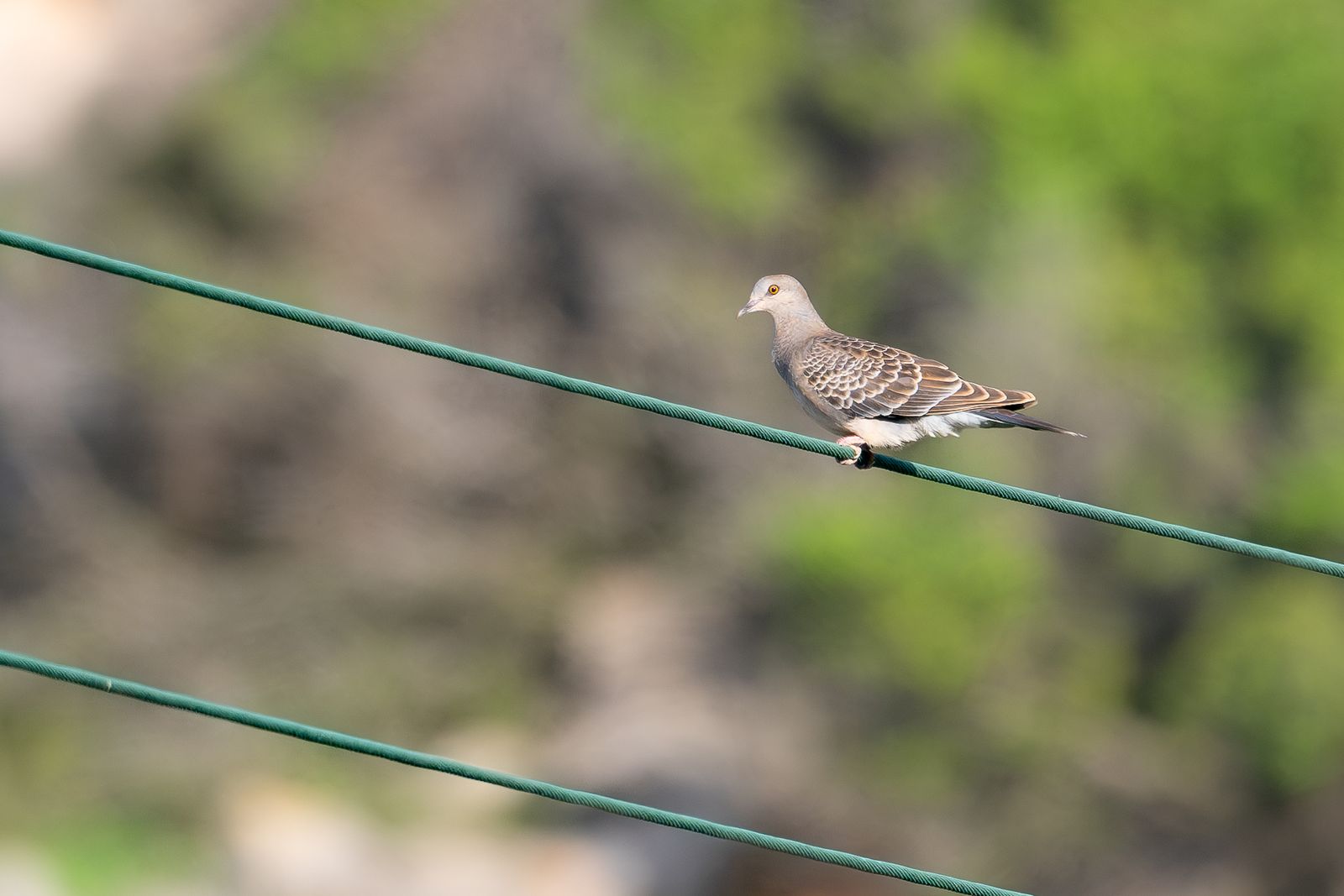
1 Rufous Turtle Dove (Streptopelia orientalis), presumably belonging to the meena subspecies. This represents the first-ever record of Rufous Turtle Dove for Antikythera Island and one of the southernmost records of the species in Greece.
1 Olive-backed Pipit (Anthus hodgsoni), the 4th record for Greece, pending acceptance. The species was first recorded in Greece in February 2024, when two individuals were found wintering in a suburban pine forest in Ioannina, Epirus, by local birder A. Batsis (eBird Checklist). The second observation took place on 1 November 2024, when a single bird was found by our team, again on Antikythera Island (eBird Checklist). The third Greek record followed in November 2025 and involved an individual photographed in an urban park in Mytilene, Lesvos Island, by a student at the University of the Aegean (iNaturalist Observation). The increasing number of recent observations, together with the species’ occurrence pattern elsewhere in Europe, suggests that the Olive-backed Pipit may be a relatively regular late-autumn vagrant to Greece.
1 Radde’s Warbler (Phylloscopus schwarzi), the 2nd record for Greece, pending acceptance. The bird was found within Potamos village, although we unfortunately did not manage to obtain any photographs. Autumn 2026 proved to be a particularly productive season for Radde’s Warbler across Europe, with at least nine occurrences in the UK, according to eBird data, and seven in Belgium by 17 October. The latter brought the Belgian national total to 57 records (Birding Belgium, 2026). The only previous observation in Greece involved an individual found by O.F. Papageorgiou on Symi Island, in the southern Aegean, on 11 October 2024 (eBird Checklist).
1 Rustic Bunting (Schoeniclus rusticus). This increasingly frequently recorded Siberian vagrant had only 7 documented records in Greece by 2022 (HRC, 2023), but this number has since almost doubled. Most records have involved birds recorded during late-autumn migration, with a total of 4 national records so far in 2026, 3 of which occurred during this autumn season.
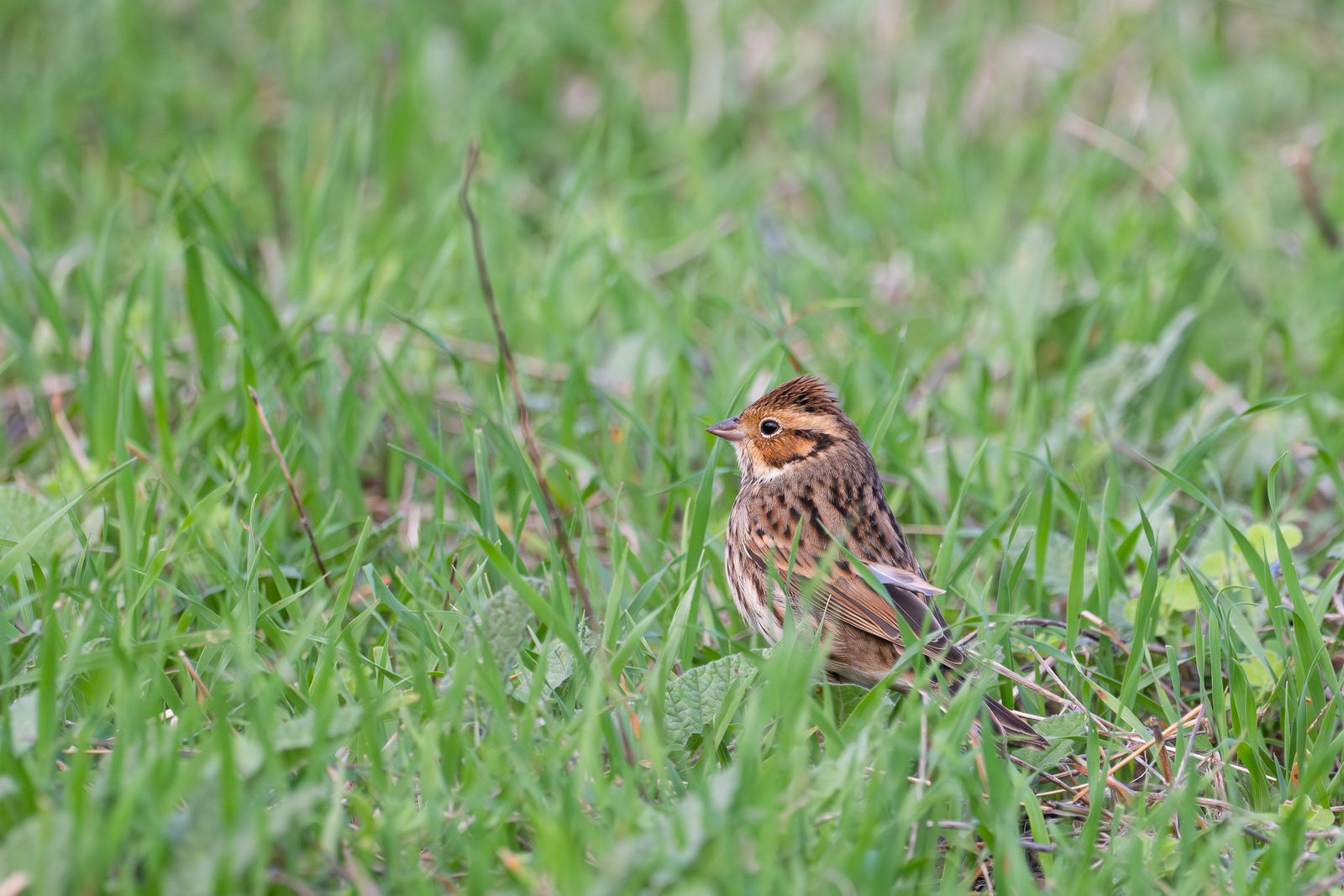
2 Little Buntings (Schoeniclus pusillus), plus a potential third individual. Similarly to the Rustic Bunting, this species was until recently considered exceptionally rare in Greece, with only 5 documented records up to 2022 (HRC, 2023). At least 8 additional records have since been reported during both spring and autumn migration, prior to our recent expedition to Antikythera, all pending acceptance in upcoming national reports. Of these records, including both published and pending observations, at least 9 originate from the Cape Tainaron–Kythera–Antikythera migration bottleneck.

These records once again highlight the importance of Antikythera as a stopover site for migratory birds, as well as a potential vagrant trap. Like many other small islands scattered across the Mediterranean, Antikythera occupies a strategic position along major migratory routes between Europe and Africa. Their geographical position and isolation allow such islands to function as natural migration and vagrancy traps, concentrating otherwise widely dispersed individuals.
Continued monitoring of Antikythera and other relatively under-watched Greek islands is consequently of considerable importance, not only for documenting migration trends and patterns, but also for understanding vagrancy and the factors driving the occurrence of rare birds in the eastern Mediterranean.
Full trip report here: eBird Trip Report
References
- Birding Belgium (2026). ‘Radde’s Warbler records in Belgium’ [Facebook post], 17 October (accessed 1 November 2026).
- Hellenic Rarities Committee (2023). Annual Report – 2022.